Feasibility before commitment

Small-scale renewable energy, explained the way an engineer would explain it to a neighbor.

Small wind turbines standing in an open field near a rural community during early morning light

Livora Gitozo is an informational platform for communities, housing cooperatives, and small municipalities exploring wind, solar, or biomass systems at a local scale. We focus on one question first: is this technically realistic for your site, before anyone talks about equipment or budgets.

Wind resource screening Solar exposure mapping Biomass feedstock logistics Grid interconnection basics Site suitability review Community-scale planning Wind resource screening Solar exposure mapping Biomass feedstock logistics Grid interconnection basics Site suitability review Community-scale planning

What "feasibility first" actually means here

Most information available to cooperatives starts with a product: a turbine, a panel brand, a boiler. We start earlier than that. Before any equipment conversation makes sense, a handful of technical questions need honest answers.

Does the site receive enough wind at a usable height? Is the roof or land oriented and shaded in a way that makes solar worthwhile? Is there a steady, local, legal supply of feedstock for biomass, and somewhere sensible to store it? These questions have answers rooted in geography, climate data, and local infrastructure, not in marketing material.

We explain how those answers are found, what tools and data are typically used, and which red flags tend to end a project early. Nothing here is a substitute for a licensed site engineer or a grid operator's formal review. It is the layer of understanding that helps a cooperative ask better questions before commissioning one.


Members of a housing cooperative reviewing renewable energy planning documents together around a table

Four angles we look at, before anything else

Wind, solar, and biomass behave differently at small scale. A fourth category, combined systems, matters because most real cooperative sites end up weighing more than one option at once.

Solar on roofs and open land

Orientation, tilt, shading from neighboring structures, and roof structural capacity decide more of the outcome than panel efficiency does. A modest, well-oriented array frequently outperforms a larger one placed without checking these basics first.

Biomass and local feedstock

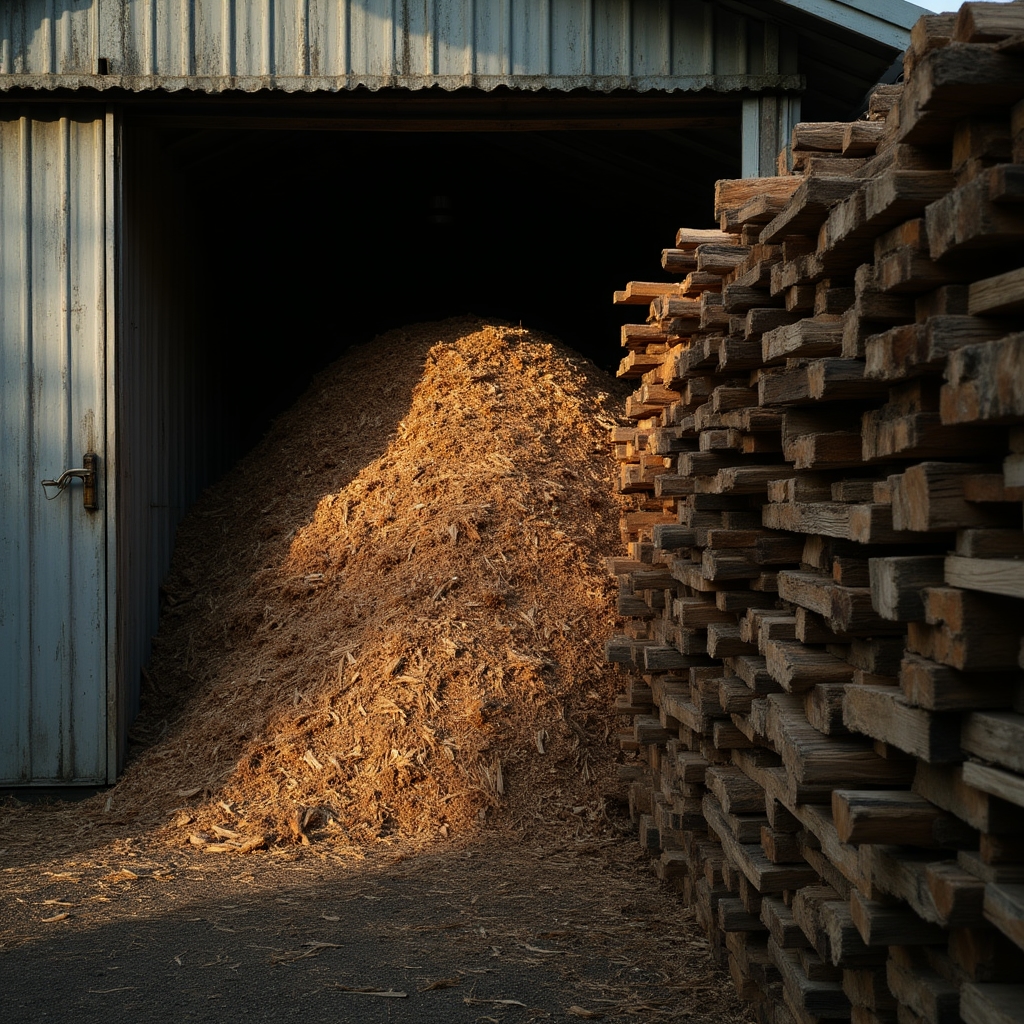
Biomass systems live or die on a reliable supply chain: agricultural residue, wood processing waste, or dedicated crops that can be sourced consistently and stored without spoilage. Feasibility here is mostly a logistics and moisture-content question.

Hybrid and storage considerations

Many cooperatives end up blending sources or pairing generation with storage to smooth output. Combining systems adds interconnection complexity, so the feasibility questions from each source apply together, not separately.

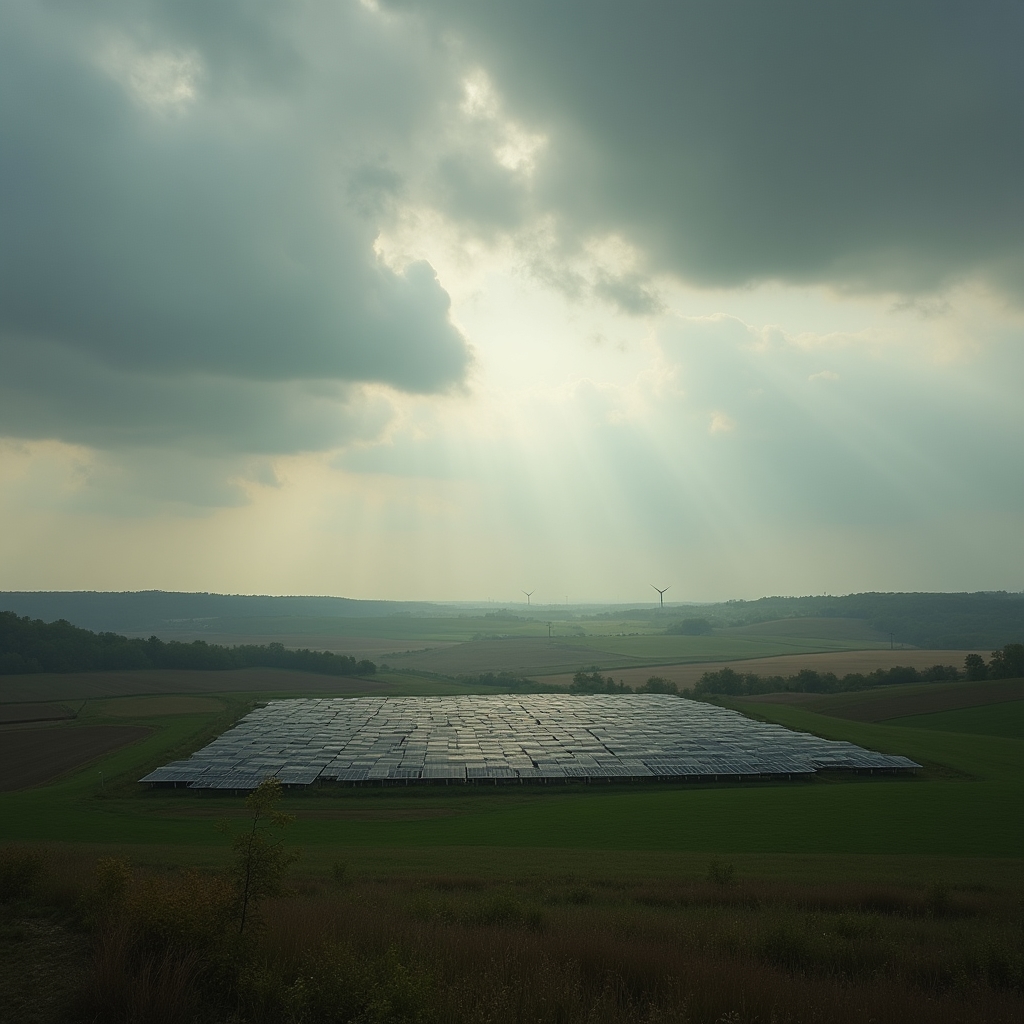
Wide rural landscape with mixed farmland and a distant small solar array under an overcast sky

Before the numbers get exciting

A feasibility review is a filter, not a forecast

It is meant to tell a cooperative what is worth investigating further, and what is not worth pursuing given the site's constraints. It does not predict exact output, exact savings, or exact payback. Anyone offering those figures before a proper technical study has been done is skipping steps that matter.

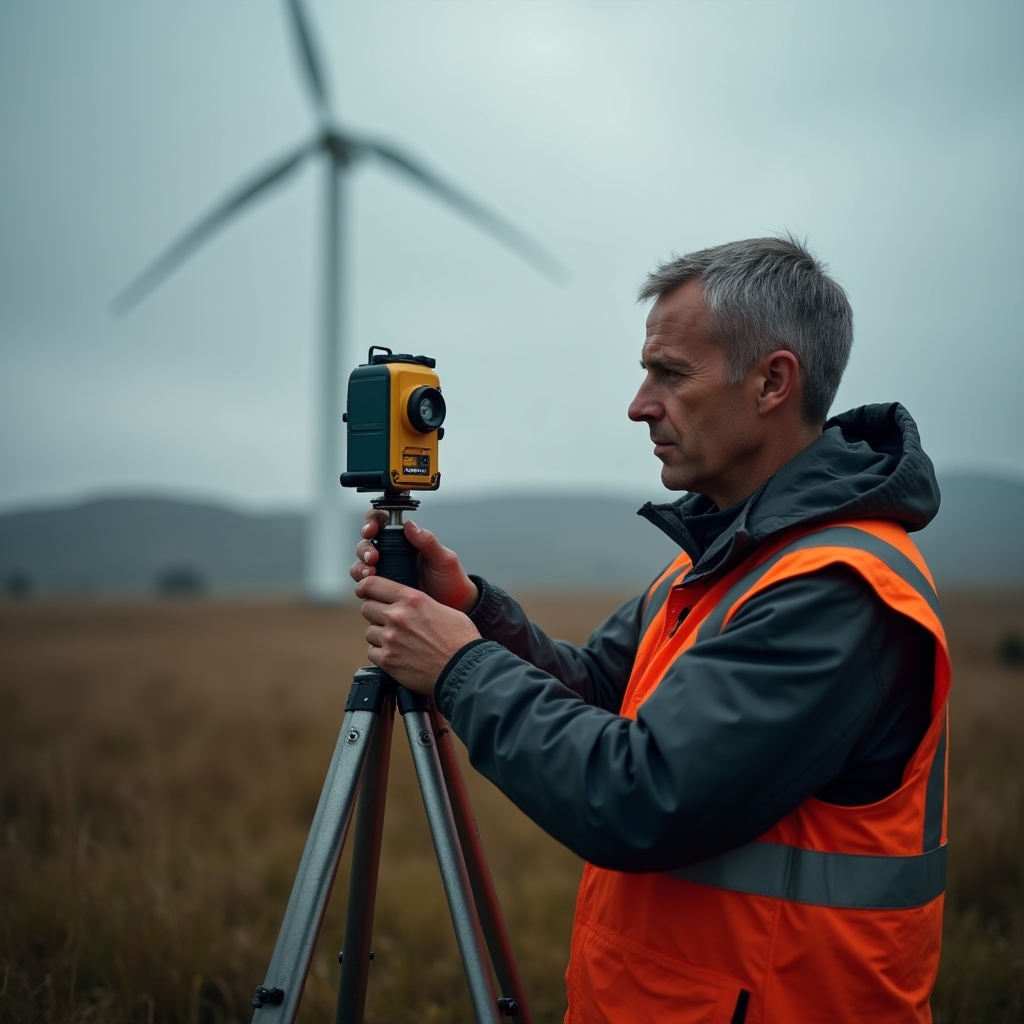
A field engineer using measurement equipment to assess wind conditions at a proposed community turbine site

How a technical read usually unfolds

  1. 01

    Desk-based data review

    Public wind maps, solar irradiance datasets, and regional biomass availability records give a first, low-cost read on whether a location is worth a closer look.

  2. 02

    Site-specific constraints

    Shading, structural loads, access roads, noise buffers, and permitted land use narrow the desk-based estimate down to something realistic for the actual plot.

  3. 03

    Grid and interconnection basics

    Even small systems need to connect somewhere. Local grid capacity, metering arrangements, and utility requirements shape what is actually installable.

  4. 04

    Go, pause, or drop the option

    A clear technical picture lets a cooperative decide whether to commission a formal engineering study, wait for better conditions, or move on to a different source entirely.

Read the programs before you request anything

Each program page walks through what a specific evaluation actually checks, what information you would need to gather beforehand, and what kind of outcome to expect. It is written so a cooperative board can understand it without a technical background.

Browse the programs

This platform is informational. It does not sell equipment, arrange financing, or issue engineering certifications. Any figures discussed are illustrative, not promises of performance.