
Programs
Five ways to read a site before choosing a technology.
Each program below explains what a particular type of technical review looks at, what information is typically gathered, and what kind of answer to expect at the end.
Wind Resource Screening
A first pass at whether a location has enough usable wind to justify a closer, formal study.
Screening usually starts with regional wind atlases and long-term meteorological averages, then narrows to the specific site. Ground roughness, surrounding obstacles, and elevation all change effective wind speed at hub height, sometimes significantly compared to the regional average.
What it typically covers: average wind speed at relevant heights, turbulence caused by nearby structures or terrain, seasonal variation across the year, and preliminary noise or visual impact considerations tied to local rules.
What it does not replace: a full engineering wind study, which usually involves on-site measurement over an extended period, and a structural and electrical design review by a licensed professional.

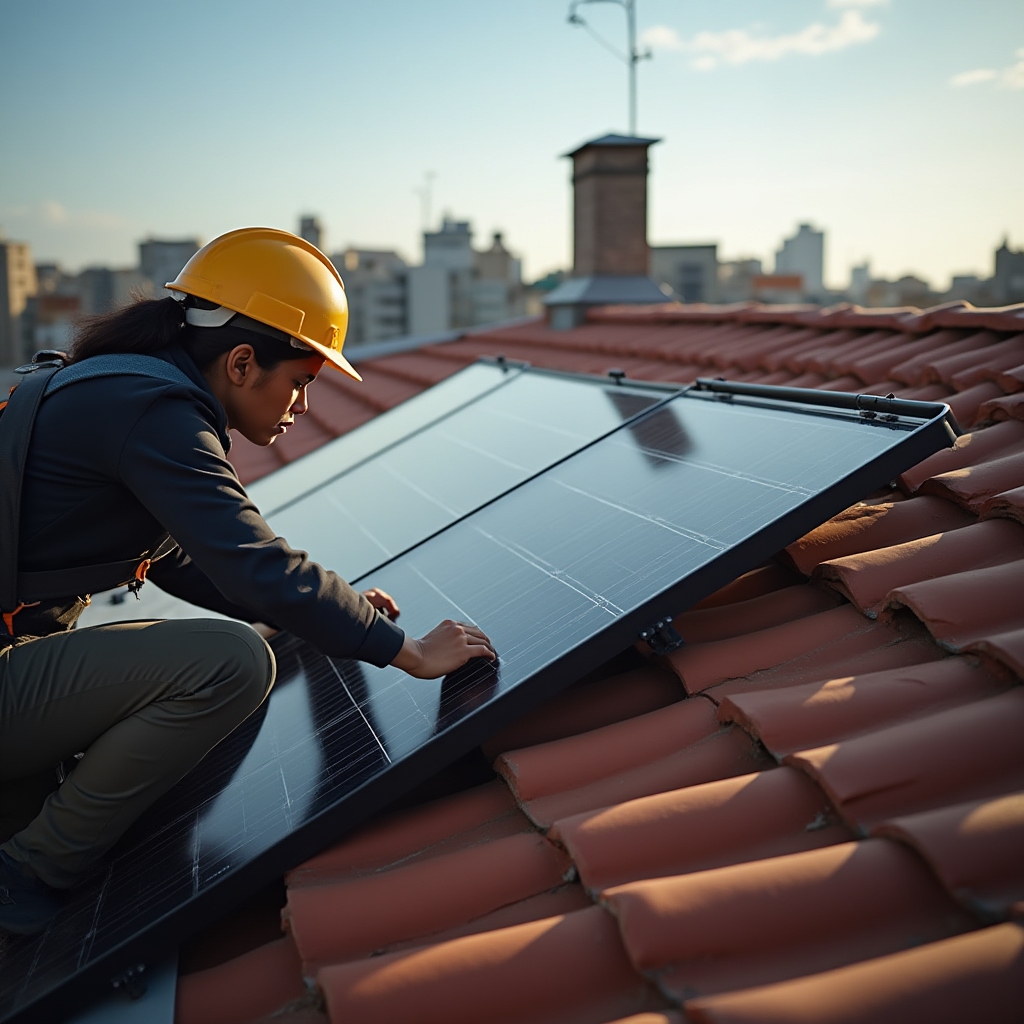
Solar Exposure & Structural Assessment
A structured look at roof or land conditions before sizing any array.
This covers orientation and tilt relative to the sun's path, shading from trees, chimneys, or neighboring buildings across different seasons, and, for rooftops, a preliminary read on whether the structure can reasonably carry the added load.
It also touches on available connection point capacity, since even a well-placed array is limited by how much the existing electrical setup can accept without upgrades.
What it does not replace: a structural engineer's sign-off for roof-mounted systems, and an electrician's assessment of the building's existing wiring and panel capacity.
Biomass Feedstock & Logistics Review
Looking at supply before looking at the boiler or digester.
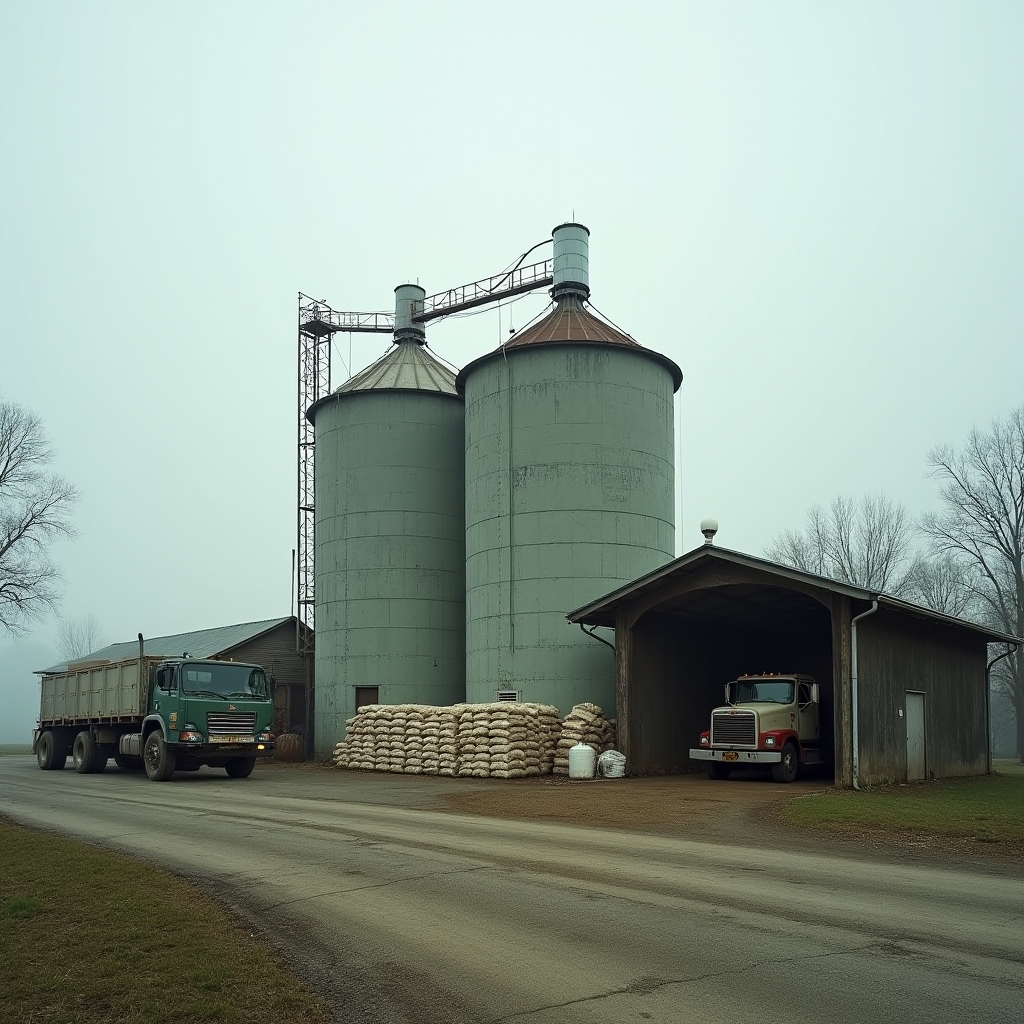
The central question is whether a consistent, legally sourced supply of feedstock exists near enough to the site to be practical. Agricultural residue, forestry by-products, and food-processing waste all have different seasonality, moisture content, and transport requirements.
This review also considers storage: how much space is needed, how spoilage or self-heating risk is managed, and how delivery schedules line up with a cooperative's actual energy demand pattern across the year.
What it does not replace: an emissions and permitting assessment, and a mechanical engineer's review of the specific combustion or digestion technology under consideration.

Grid Interconnection Basics Review
Understanding what happens after the electricity is generated.
Small-scale systems still need to connect to something, whether that means feeding excess power back to the grid or running mostly off-grid with backup. This review walks through metering arrangements, typical utility requirements for small generators, and the kind of documentation utilities usually ask for.
It also flags situations where local grid capacity may limit how much a cooperative can export, which sometimes changes the practical size of a system before any equipment is chosen.
What it does not replace: formal approval from the relevant grid operator, which follows its own procedure and timeline outside this platform's scope.
Hybrid & Storage Feasibility Overview
For sites where more than one source is being weighed at once.
Some cooperatives are better served by combining a smaller solar array with battery storage, or pairing biomass heat with a modest wind contribution. This overview lays out how combining sources changes the interconnection picture, and how storage sizing depends on actual daily and seasonal demand rather than headline generation capacity.
It is meant as a starting framework for comparing combinations, not a finished system design.
What it does not replace: detailed system design and battery sizing work carried out by a qualified energy engineer.
Every program above is descriptive. None of it constitutes engineering advice, a financial projection, or a recommendation to purchase a specific system. Local rules on permitting, land use, and grid connection in Romania and elsewhere should always be confirmed with the relevant authority before any decision is made.